The current food system faces challenges such as climate change, which has a significant impact on agricultural productivity; global population growth, which implies a constant increase in food demand; and the rise in the prevalence of food intolerances, allergies, and changing dietary patterns.
In this scenario, the food industry finds vegetable protein flours and concentrates to be a healthy and versatile alternative for partially or totally replacing other sources of animal protein. Although flours and concentrates promise environmental and nutritional benefits, their widespread adoption in the food industry still faces challenges, such as market acceptance and optimising their incorporation into production processes.
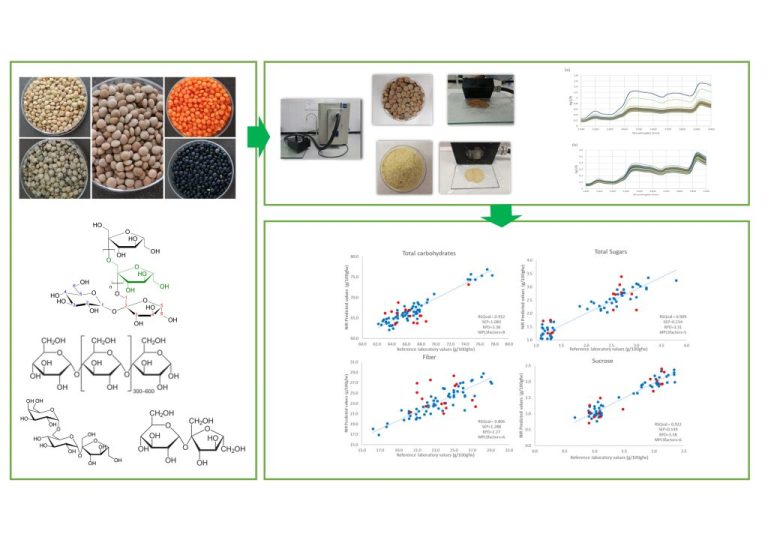
The research carried out has highlighted the influence of variety and/or brand name on the nutritional and functional qualities of both flour and protein concentrates. All the plant-based options analysed have shown an interesting composition from a nutritional point of view, associated with potential health benefits.
They also have interesting techno-functional properties that make them versatile alternatives for industrial use and for innovation in plant-based products, while also helping to promote sustainability. However, it has also revealed the need for regulatory oversight to ensure their safety, especially due to the possible presence of heavy metals.
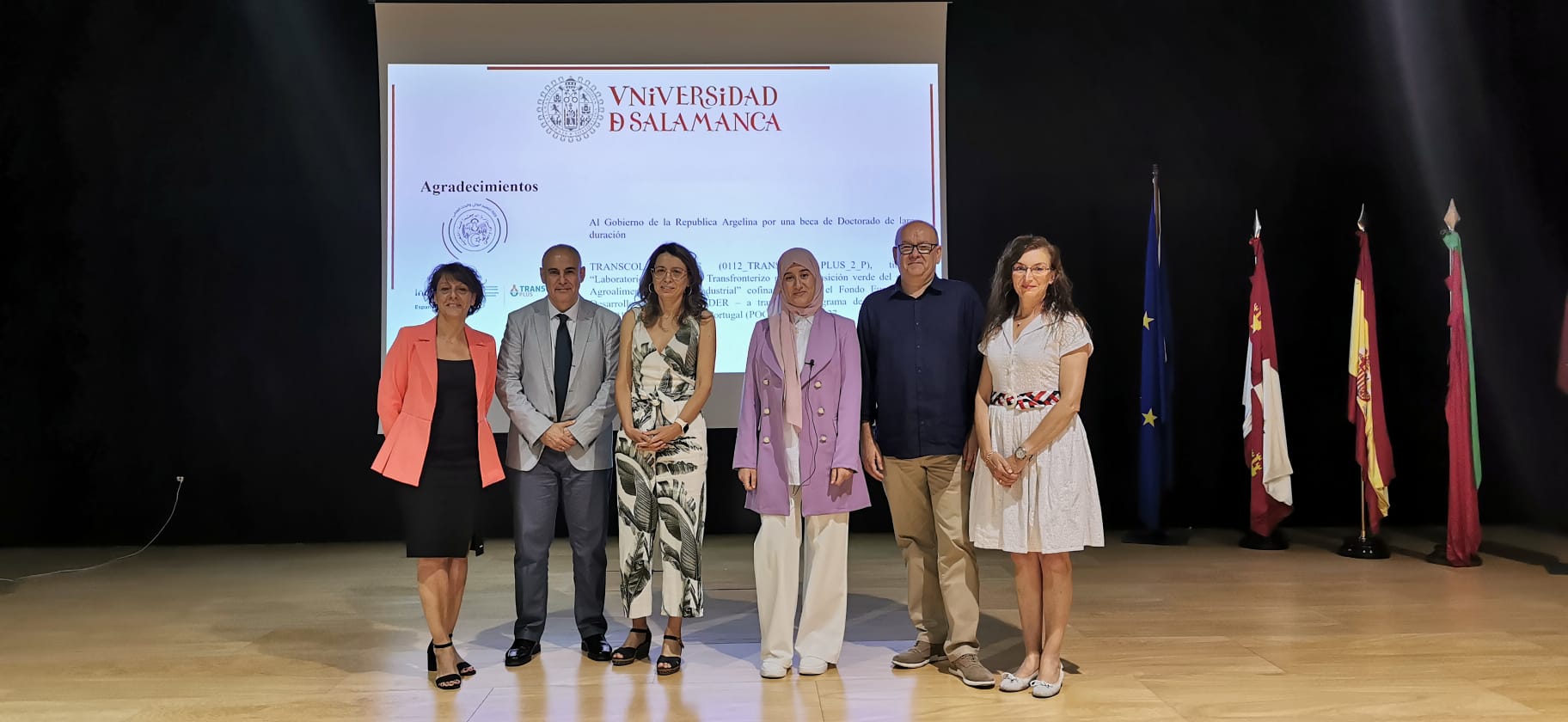
This work constitutes the doctoral thesis defended by Yamina Absi, entitled: FLOURS AND VEGETABLE PROTEIN CONCENTRATES: NUTRITIONAL CHARACTERISATION AND TECHNO-FUNCTIONAL PROPERTIES, supervised by Ana Vivar Quintana and Isabel Revilla, professors in the Department of Food Technology at the University of Salamanca.